
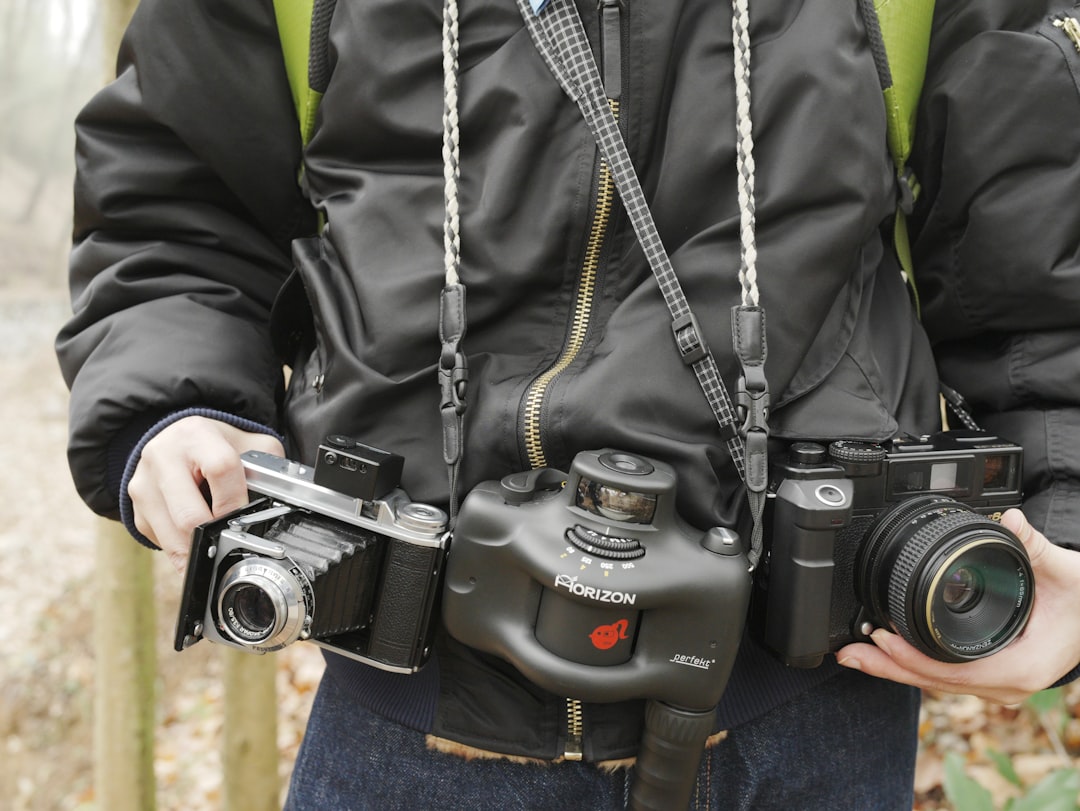
In the ever-evolving world of photography, the choice between DSLR and mirrorless cameras has become a pivotal decision for both budding photographers and seasoned professionals. At concentratepoint.com, we believe that making informed choices goes beyond just specifications; it encompasses sustainability and ethical sourcing as well. This article delves into the nuances of DSLR and mirrorless cameras, while also highlighting the importance of eco-conscious decisions in your photography journey.
DSLR cameras, or Digital Single-Lens Reflex cameras, have long been the go-to choice for many photographers. They offer a robust build, an optical viewfinder, and a wide range of lenses. However, they are often heavier and bulkier than their mirrorless counterparts. On the other hand, mirrorless cameras, which have gained immense popularity in recent years, are known for their compact design and advanced technology. They utilize electronic viewfinders and lack the mirror mechanism found in DSLRs, allowing for a lighter and more portable option.
When considering which camera system is right for you, it’s essential to evaluate your photography style and needs. If you’re a landscape photographer who values a sturdy build and extensive lens options, a DSLR might be your best bet. Conversely, if you’re a travel photographer seeking lightweight gear without sacrificing image quality, a mirrorless camera could be the ideal choice.
Beyond the technical specifications, the decision also comes down to the impact of your purchase on the environment. At concentratepoint.com, we prioritize sustainability in our product offerings. We understand that the production of photography equipment can have significant environmental implications. That’s why we are committed to sourcing products from manufacturers who adhere to ethical practices and sustainability standards.
One such standard is the Energy Star certification. This certification is awarded to products that meet strict energy efficiency guidelines set by the U.S. Environmental Protection Agency. When you choose photography equipment that carries the Energy Star label, you’re not only investing in high-quality gear but also supporting manufacturers who are dedicated to reducing their carbon footprint. This commitment to sustainability fosters buyer trust, as consumers increasingly seek products that align with their values.
Moreover, the choice of camera can also influence your overall environmental impact. For instance, mirrorless cameras often consume less power than DSLRs, leading to longer battery life and reduced energy consumption during use. This efficiency not only benefits the environment but also enhances your shooting experience, allowing you to capture more moments without the worry of running out of battery.
As you weigh the pros and cons of DSLR versus mirrorless cameras, consider how your choice aligns with your values. Are you looking for a camera that not only meets your technical needs but also supports sustainable practices? At concentratepoint.com, we strive to provide a curated selection of photography equipment that meets these criteria, ensuring that your passion for photography does not come at the expense of the planet.
In conclusion, the decision between DSLR and mirrorless cameras is multifaceted, encompassing technical specifications, personal preferences, and ethical considerations. By choosing equipment that aligns with sustainable practices, you not only enhance your photography experience but also contribute to a more eco-conscious world. Visit concentratepoint.com to explore our range of photography equipment that champions sustainability and empowers your creative journey.